Art

Althea Gibson and the US Open: Breaking Barriers in 2025

The US Open 2025 honors Althea Gibson’s legacy with themed art by Melissa Koby, celebrating 75 years of breaking barriers in tennis.

Por: Angela Leon Cervera
Althea Gibson
Melissa Koby. Photo: @usopen

This year, the US Open doesn’t just serve tennis—it serves history. With the bold theme “75 Years of Breaking Barriers,” the 2025 edition commemorates Althea Gibson’s groundbreaking 1950 appearance at the U.S. National Championships. Her presence wasn’t just a debut; it was a revolution, one that cracked the sport’s color line wide open.


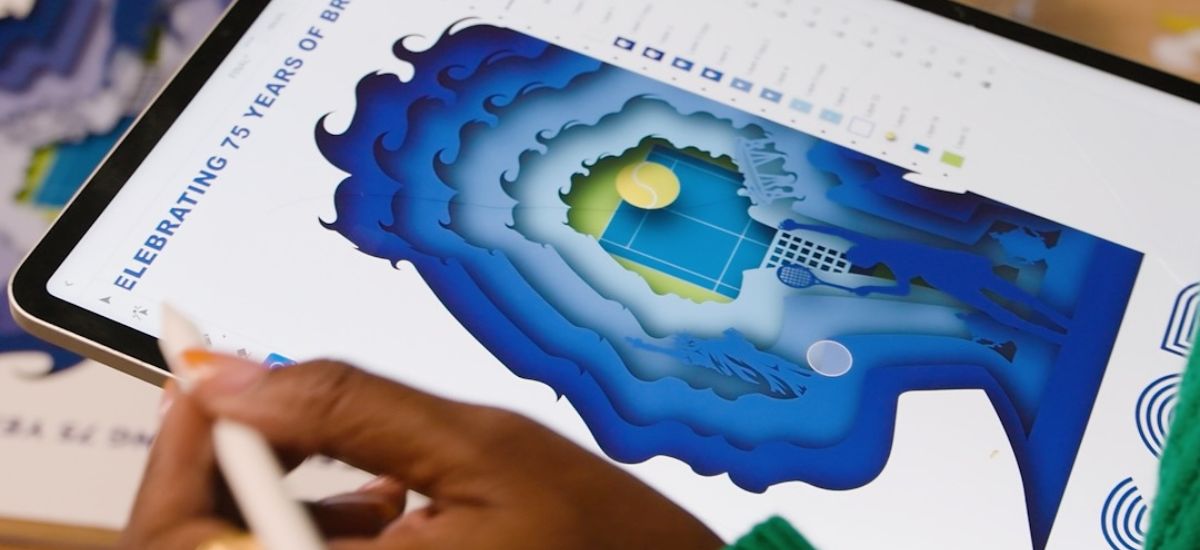
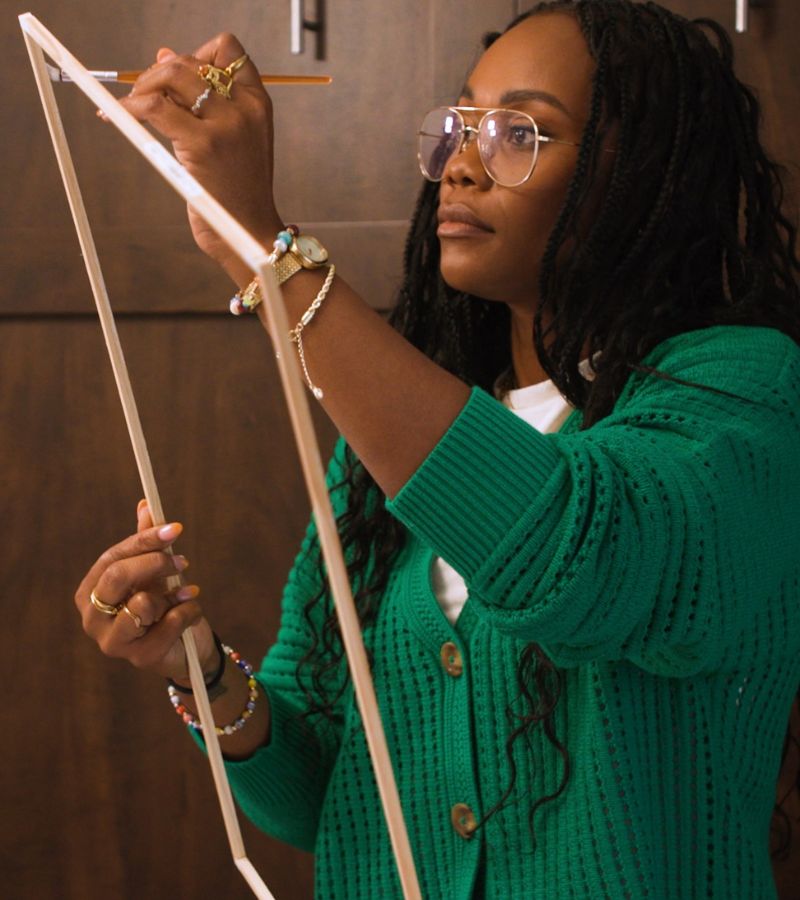
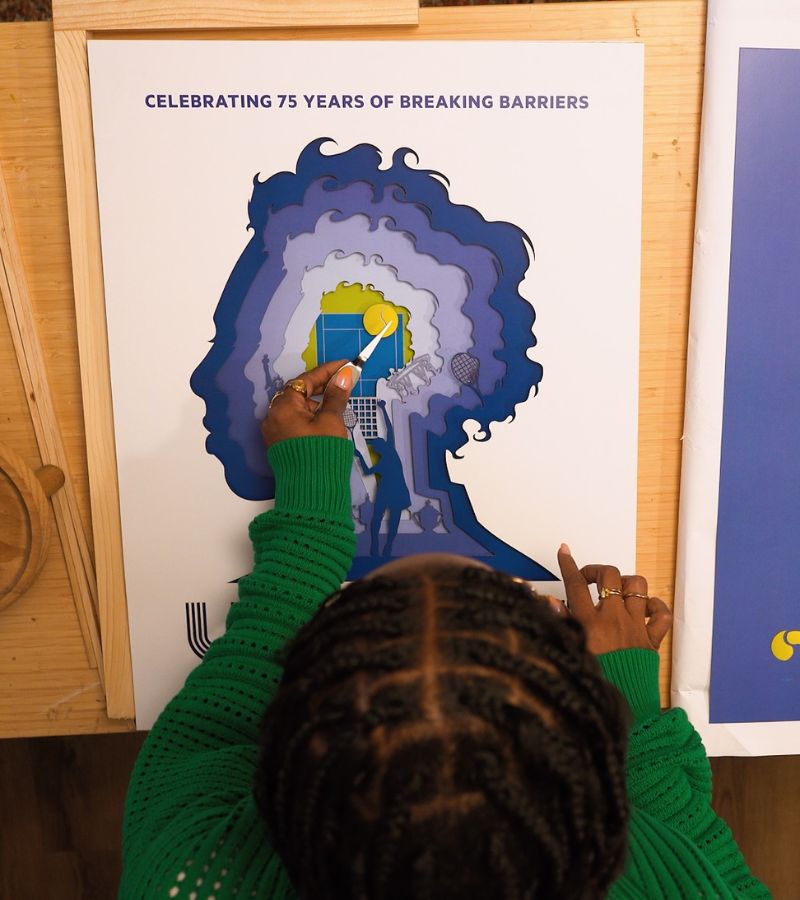
From August 18 to September 7, the Billie Jean King National Tennis Center will become a living tribute to Gibson’s indomitable spirit. And leading the visual charge is Jamaican-born artist Melissa Koby, the first Black artist to design the tournament’s theme art. With paper-layered silhouettes and iconic symbols like the Statue of Liberty and Arthur Ashe Stadium, Koby doesn’t just create art—she tells history with rhythm and reverence.
Althea Gibson
Melissa Koby. Photo: @usopen

What Does Althea Gibson’s Legacy Mean for Tennis Today?

Althea Gibson’s career defied norms, crossed lines, and redefined what was possible for Black athletes in mid-century America.


  • First to Compete: In 1950, she became the first African American to play at the U.S. Nationals.

  • First to Win: In 1956, she clinched a Grand Slam title at the French Championships, then dominated Wimbledon and the U.S. Nationals.

  • Beyond Tennis: In 1964, she became the first Black woman to join the LPGA tour in golf.

Her impact extends beyond trophies. She made it possible for stars like Serena Williams, Coco Gauff, and Frances Tiafoe to thrive. Her excellence was activism. Her silence? A strategic resistance. She let her racket do the talking.

Althea Gibson
Melissa Koby. Photo: @usopen
Althea Gibson
Melissa Koby. Photo: @usopen

How Does Melissa Koby’s Art Capture Gibson’s Power?

Melissa Koby’s 2025 US Open artwork is more than aesthetic—it’s a visual dialogue.


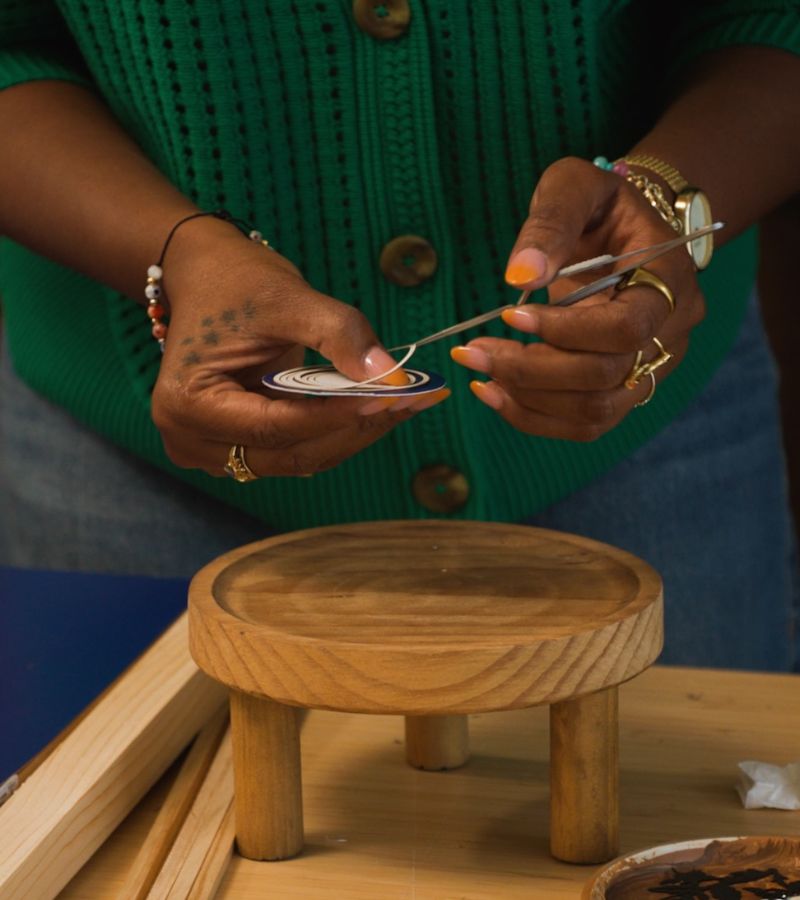
  • Paper Layering: Each layer represents a piece of Gibson’s story: her silhouette, the court, the trophies, the Statue of Liberty, and a glowing tennis ball as “a symbol of hope.”

  • Universal Design: Her faceless figures invite identification. Koby wants every girl—especially every young Black girl—to see herself in Gibson’s triumph.

  • Cultural Echo: Inspired by watching Serena and Venus with her father, Koby describes the commission as a “full-circle moment.”

This is not poster art. It’s a history lesson—tender, bold, accessible. And it’s a tribute that belongs in the same breath as the match point that made Gibson a champion.

Why Is the US Open Reframing Its Identity Through Art?

The US Open has reimagined its brand in recent years, evolving from a traditional sports event into a cultural platform.


  • Visual Overhaul: In 2018, it updated its logo for the digital age.

  • Thematic Art: From Billie Jean King in 2023 to “The Power of Tennis” in 2024, each edition features socially driven visual storytelling.

  • Strategic Curation: The appointment of artists like Camila Pinheiro (Brazil, 2023) and now Koby signals a shift toward inclusive authorship and historical reckoning.

By doing so, the tournament doesn’t just reflect cultural change—it helps lead it. The message is loud and clear: This court is for everyone.

Althea Gibson
Melissa Koby. Photo: @mkoby

The US Open 2025 is more than a tennis tournament—it’s a public affirmation of values. By amplifying the story of Althea Gibson and entrusting it to Melissa Koby’s layered vision, the event makes good on its promise to be “Open to All.” Their shared legacy is a rallying cry—timeless, powerful, and beautifully unfinished.

FAQ

Receive the latest news

Subscribe To Our Magazine

Luster Magazine

Digital Magazine

Ingresa los siguientes datos y comienza a disfrutar de nuestra revista digital.