Design

When Viktor & Rolf Turned Shopping into Surrealist Theatre in Milan

At a time when luxury brands are striving to transform the shopping experience, Viktor & Rolf surprised us 20 years ago in Milan with a store that defied conventions.

Por: Rubén Carrillo
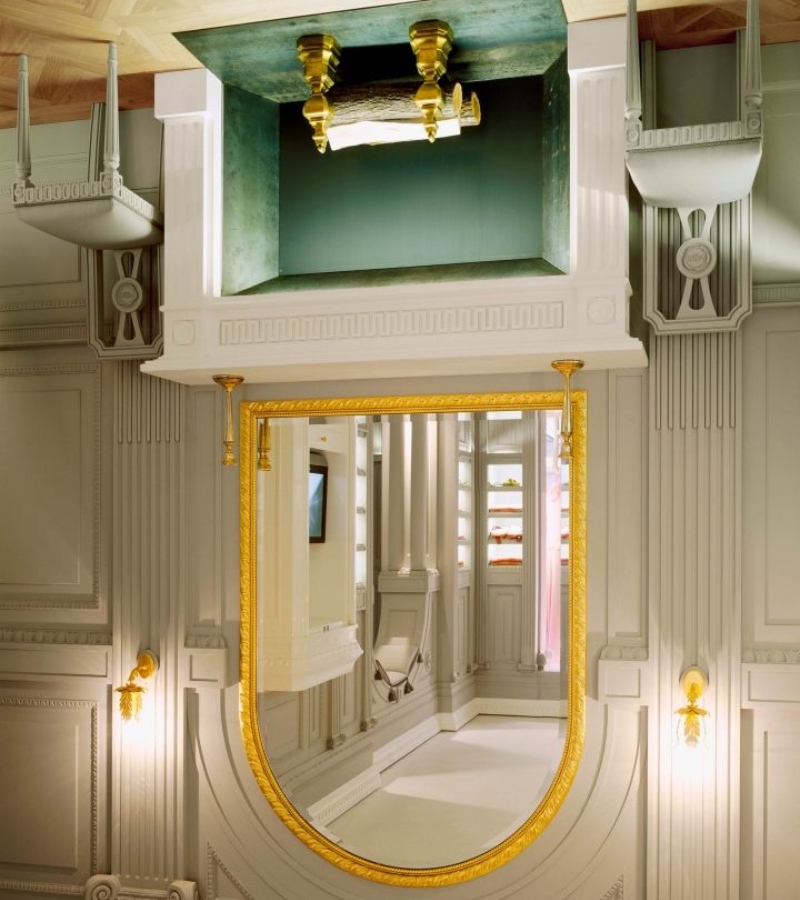
The Dutch designers Viktor Horsting and Rolf Snoeren, known for their theatrical fashion, delivered a retail experience that felt like stepping into a dream / Photo Viktor & Rolf

The Dutch designers Viktor Horsting and Rolf Snoeren, known for their theatrical fashion, delivered a retail experience that felt like stepping into a dream.


Or perhaps an illusion straight from Alice in Wonderland.


Opened in April 2005, Viktor & Rolf’s store was located on Via Sant’Andrea, in Milan


From the moment you stepped inside, it was clear this wasn’t just a place to shop—it was an experience. 


The boutique defied logic with an upside-down layout.


Chandeliers on the floor, oak parquet on the ceiling, and chairs suspended overhead made visitors question their sense of space and perspective, as well as their sense of gravity.
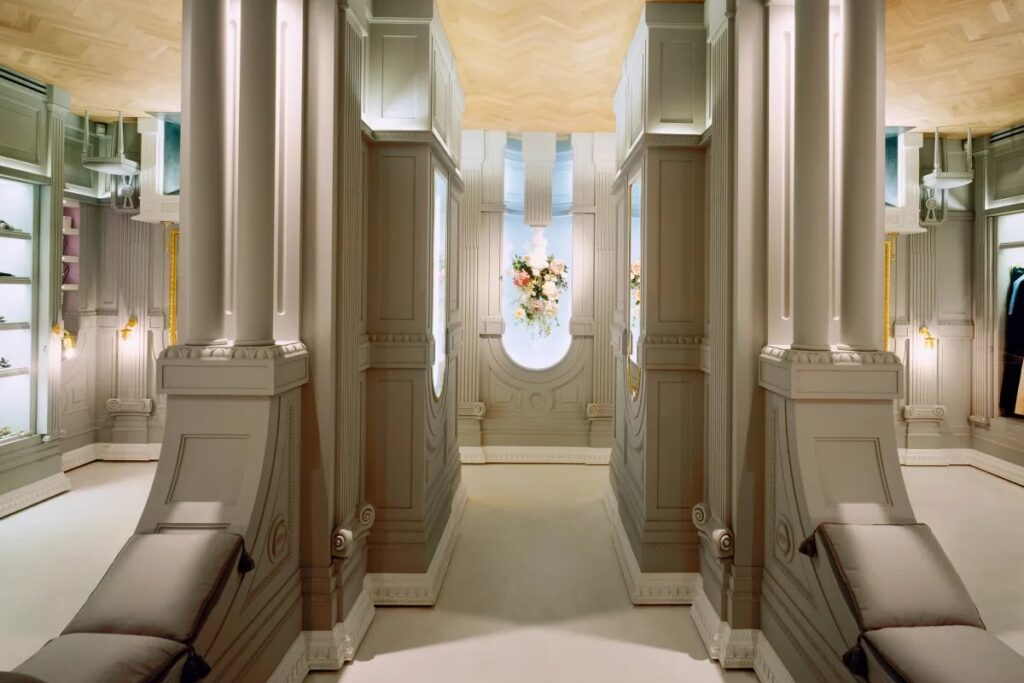
From the moment you stepped inside, it was clear this wasn’t just a place to shop—it was an experience / Photo Viktor & Rolf

A Masterpiece of Design and Illusion

Created by designers Siebe Tettero and Sherrie Zwail of SZI Design, the store had the elegance of a 19th-century French boudoir. 


Every element—from mirrored panels to cornices used as baseboards—was flipped and reimagined.


Viktor & Rolf’s store offered more than fashion; it was an optical marvel, a physical manifestation of the brand’s offbeat vision.


The Art of Precision Assembly

This remarkable boutique wasn’t built in place. It was first assembled off-site like a giant puzzle, ensuring every angle and reflection aligned perfectly. 


Once tested, it was reassembled in its Milan home. This process was essential for creating the illusion that everything—from walls to furnishings—was effortlessly reversed.

This remarkable boutique wasn’t built in place. It was first assembled off-site like a giant puzzle, ensuring every angle and reflection aligned perfectly / Photo Viktor & Rolf

Interior Zones and Clever Layout

The store layout followed two axes: one from the entrance and another crosswise. It featured clothing zones, a perfume section, changing rooms, and a tailoring space. 


Every area flowed seamlessly, yet each had distinct characteristics. The upside-down theme was consistent, but never repetitive.


Material Magic

Herringbone oak, traditionally used for floors, adorned the ceilings. Custom chandeliers shaped like golden floor elements glowed from below. 


Parisian chairs and vintage tables hung upside down, doubling as shelving and display systems. 


It was this creative reapplication of traditional materials that gave Viktor & Rolf’s store its unforgettable charm.

The store layout followed two axes: one from the entrance and another crosswise. It featured clothing zones, a perfume section, changing rooms, and a tailoring space. / Photo Viktor & Rolf

Elegant Contrast in Color

Despite the bold concept, the color palette remained soft and calm—dusted whites, gentle greys, mint greens, and delicate gold accents. 


These tones softened the dramatic layout, allowing Viktor & Rolf’s colorful fashion pieces to shine without competition. The result was perfectly balanced chaos.


A Perfectly Curated Shopping Experience

Shopping at Viktor & Rolf’s store was like being inside a museum of fashion and fantasy. Customers didn’t just browse—they explored. 


The store encouraged interaction, wonder, and even playfulness. It blurred the line between shopping and storytelling.


Though the store closed in August 2008, its legacy continues. Viktor & Rolf’s store is often referenced in design circles as one of the boldest examples of retail experimentation.

Shopping at Viktor & Rolf's store was like being inside a museum of fashion and fantasy. Customers didn’t just browse—they explored. / Photo Viktor & Rolf

Designers Who Stay True to Themselves

Since their debut in 1993, Viktor & Rolf have challenged fashion norms. Their first collection centered on distortion and deconstruction. 


This philosophy continues today, not only in clothing but in how they present it to the world. Viktor & Rolf’s store was proof of that unwavering vision.

Questions & Answers

Receive the latest news

Subscribe To Our Magazine

Luster Magazine

Digital Magazine

Ingresa los siguientes datos y comienza a disfrutar de nuestra revista digital.