Cuisine

From Agave to Fiesta: The Definitive Guide to Tequila You Need to Know

Each July 24th, Americans celebrate National Tequila Day, an unofficial holiday dedicated to honoring this distilled delight. This celebration offers the perfect opportunity to learn more about tequila

Por: Rubén Carrillo
The most famous of these regions is Jalisco, home to the actual town of Tequila and the birthplace of this iconic beverage. / Photo Teremana

Crafted exclusively in five specific regions of Mexico, tequila derives its essence from the blue agave plant, a succulent native to Mexico’s volcanic landscapes. 


The most famous of these regions is Jalisco, home to the actual town of Tequila and the birthplace of this iconic beverage. 


Though Jalisco remains the tequila capital, it’s not alone. Four other states also legally produce tequila.


These are Guanajuato, Michoacán, Nayarit, and Tamaulipas, each contributing to the industry’s growth.


These regions, while less well-known, are helping diversify tequila flavors with subtle regional influences.


Their unique climates and altitudes create nuanced expressions that differ from Jalisco’s iconic profiles.
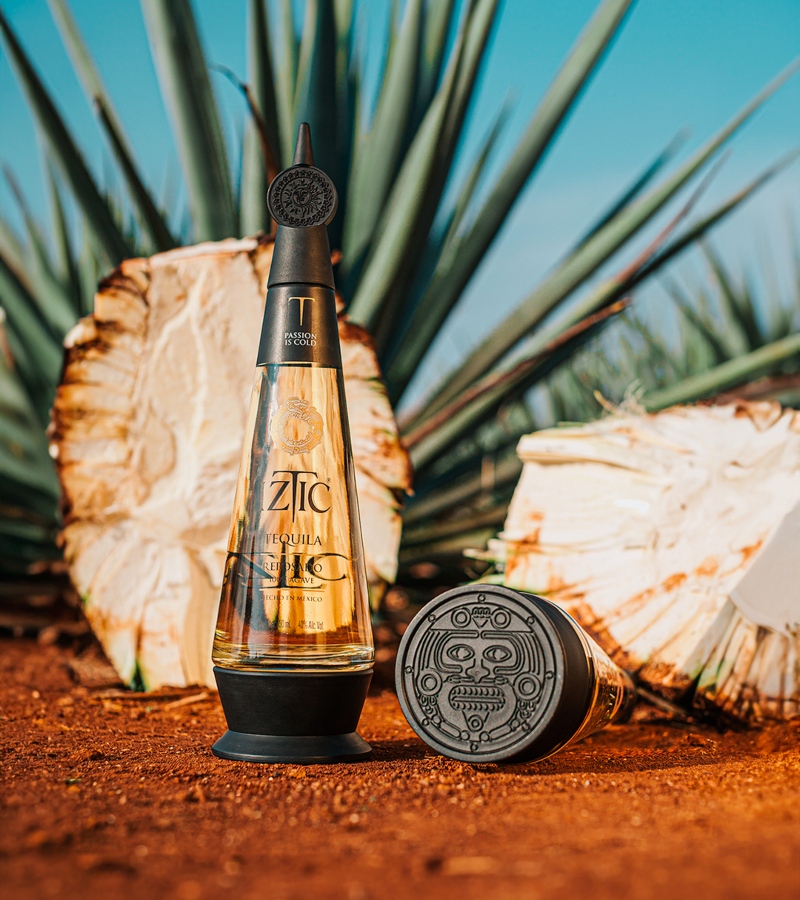
tequila derives its essence from the blue agave plant, a succulent native to Mexico’s volcanic landscapes. / Photo Iztic Tequila
Tequila derives its essence from the blue agave plant, a succulent native to Mexico’s volcanic landscapes. / Photo Iztic Tequila

The Raw Material

Only the Weber Blue Agave can legally be used to make tequila. Named after the botanist who classified it in 1905, this plant thrives in Jalisco’s mineral-rich soils. 


Today, more than 300 million agave plants are harvested annually to meet the world’s tequila demand.


How Tequila Is Born

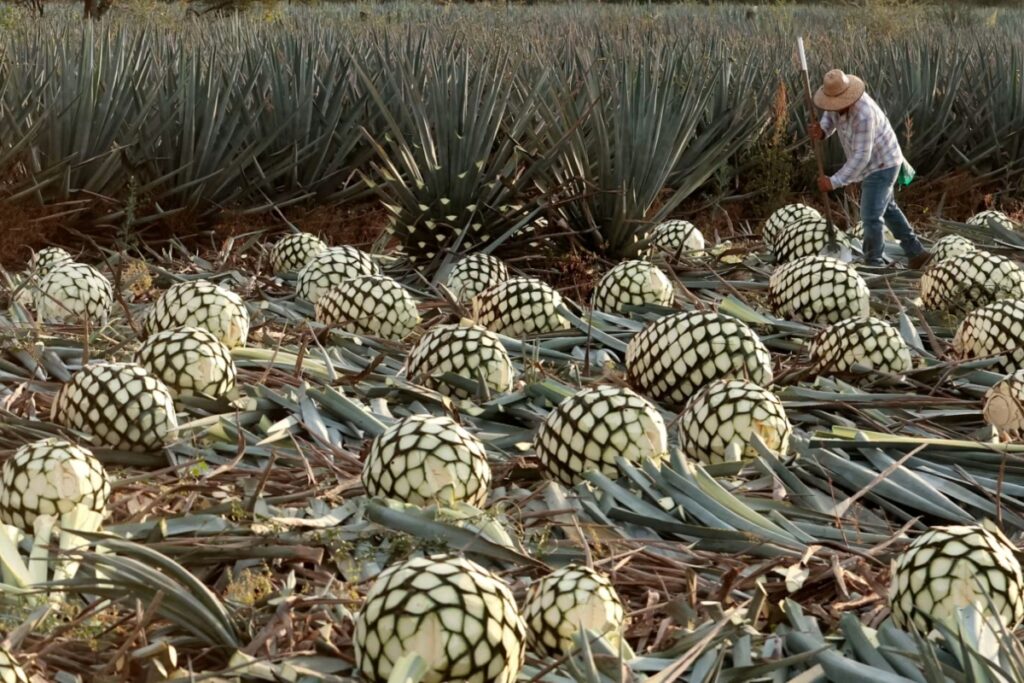
Making tequila starts in the fields, not the distillery. The blue agave plant takes six to twelve years to mature, especially in highland regions. 


Once ripe, expert harvesters known as jimadores cut away the spiky leaves to extract the piña, or “heart,” which can weigh over 30 kilograms.


These piñas are then baked in either traditional brick ovens (hornos) or steam-powered autoclaves to break down their starches into sugars. 


The cooked agave is shredded, and the sweet juice—aguamiel—is extracted for fermentation.

Making tequila starts in the fields, not the distillery. The blue agave plant takes six to twelve years to mature, especially in highland regions. / Photo archive

From Fermentation to Distillation

The juice ferments for one to four days, sometimes with added agave fibers to enhance aroma. Once the mixture reaches about 6% alcohol, it’s distilled at least twice. 


Distillation refines the spirit and increases its alcohol content. The result is a clear, potent liquid known as Tequila Blanco or silver tequila.

Categories of Tequila

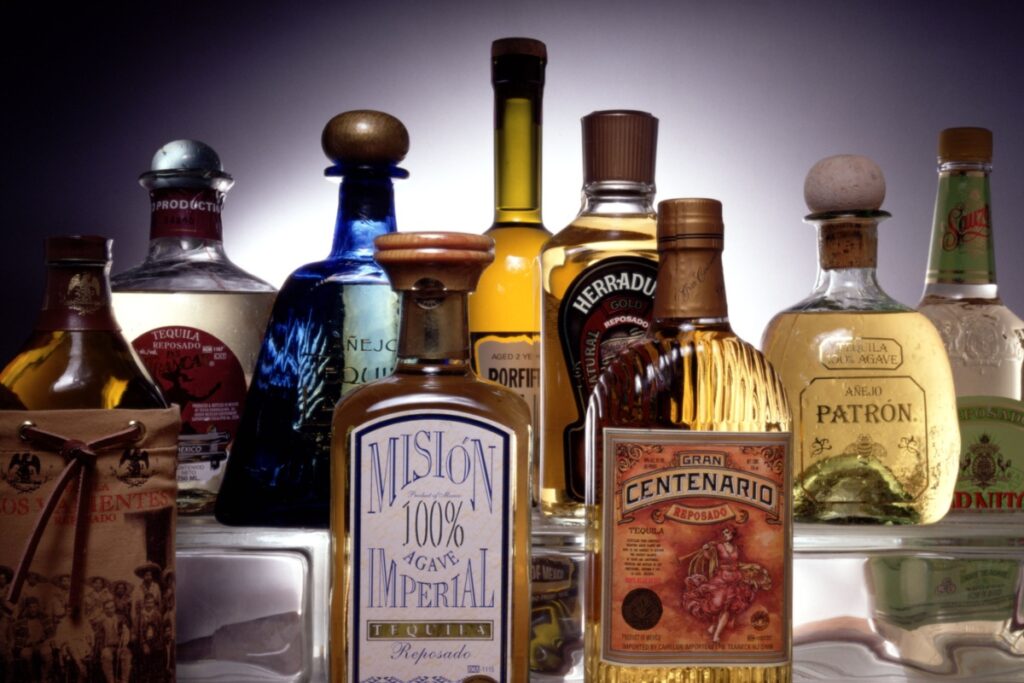
Tequila comes in several types, each defined by aging and production methods:


  • Blanco or Plata: Bottled immediately or rested briefly in steel tanks, ideal for vibrant cocktails.

  • Joven or Oro: Sometimes blended, often unaged with added color or flavoring.

  • Reposado: Aged in oak for two to twelve months, balancing strength with smoothness.

  • Añejo: Aged one to three years in oak barrels, offering depth and richness.

  • Extra Añejo: Aged over three years, comparable in complexity to Cognac.

  • Curados: Flavored with fruits like orange or pineapple, these are newer tequila variations containing at least 25% agave spirit.
Tequila comes in several types, each defined by aging and production methods / Photo archive

The Flavor Spectrum

While Blanco tequilas offer bold, earthy notes, Añejo and Extra Añejo versions introduce smoky, vanilla, or citrus profiles. 


Curados add a fruity twist, appealing to those who prefer something sweet. Reposado sits nicely in the middle, equally good for sipping or mixing.

Q&A about Tequila

Receive the latest news

Subscribe To Our Magazine

Luster Magazine

Digital Magazine

Ingresa los siguientes datos y comienza a disfrutar de nuestra revista digital.