Cuisine

Latin American Cuisine Takes Over the Global Stage in 2025

The presence of 21 outstanding Latin American restaurants in the World’s 100 Best Restaurants ranking further consolidates the region’s position at the forefront of the global gastronomic scene.

Por: Alejandro Carrillo
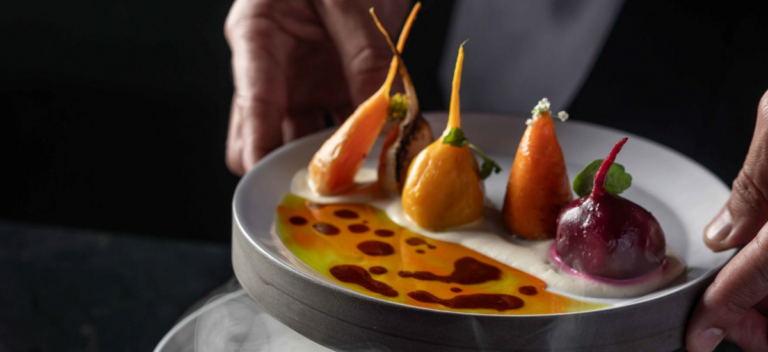
quintonil
Quintonil, a modern celebration of Mexican heritage, takes third place globally / Photo IG rest_quintonil

The culinary world is celebrating a historic moment for Latin America. The 2025 edition of the World’s 100 Best Restaurants has seen a record-breaking presence of 21 outstanding Latin American restaurants, showcasing the region’s bold flavors, innovative techniques, and deep-rooted traditions. While Lima’s Maido claimed the coveted number one spot, it’s far from the only standout. 


This year marks the strongest showing yet for Latin American gastronomy, solidifying the region’s place at the forefront of the global fine dining scene. From Mexico City to São Paulo, and Buenos Aires to Quito, these restaurants go beyond just food—they deliver immersive, high-concept culinary experiences often enriched by luxe amenities that rival five-star resorts.
Mexico: A Force in Culinary Innovation

Mexico stands tall with six entries. Quintonil, a modern celebration of Mexican heritage, takes third place globally. The elegant Rosetta (46) and Pujol (60), known for their artistic interpretation of traditional ingredients, remain icons. Rising stars like Alcalde (51), Arca (67), and Hunik (89) show how regional cuisine is being elevated to new heights by a fresh generation of chefs.

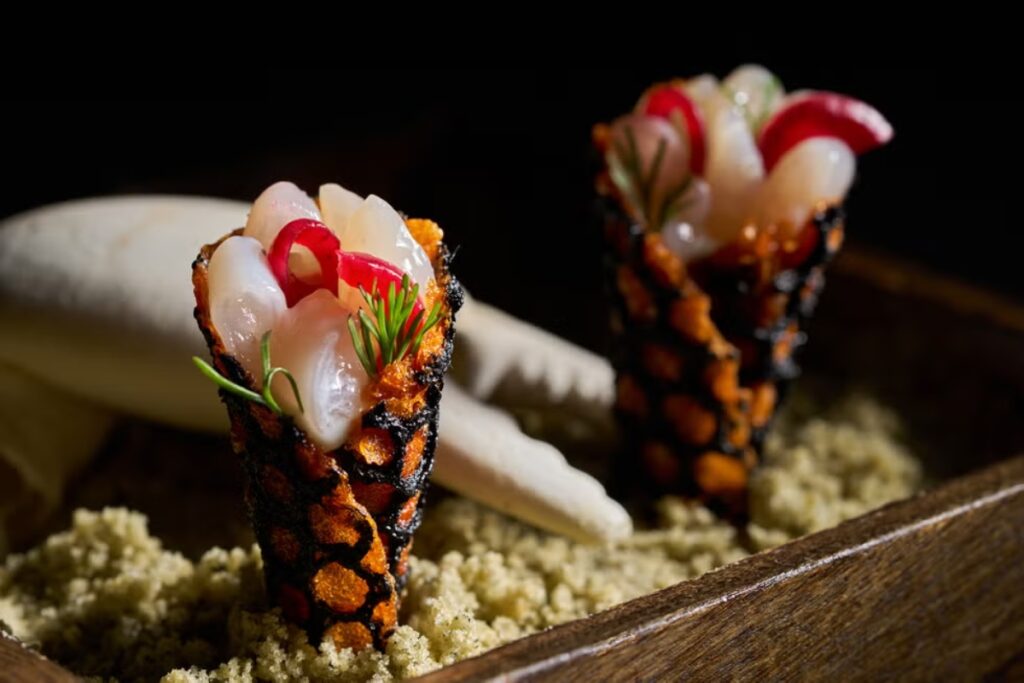
Peru reaffirms its culinary dominance, with Maido at the top of the list.
Peru reaffirms its culinary dominance, with Maido at the top of the list. / Photo via Maido

Peru: The Epicenter of Fine Dining

Once again, Peru reaffirms its culinary dominance, with Maido at the top of the list. Chef Mitsuharu Tsumura’s Nikkei fusion has captivated the world with its precision and depth of flavor.


Kjolle (9), led by Pía León, and Mayta (39), under Jaime Pesaque, reinforce Peru’s diversity and finesse. Mil (75), tucked away in the Andes, offers a profound gastronomic journey rooted in sustainability and native ingredients, complete with luxe amenities that cater to travelers seeking both comfort and connection to nature.

Argentina, Brazil, and More: Signature Excellence

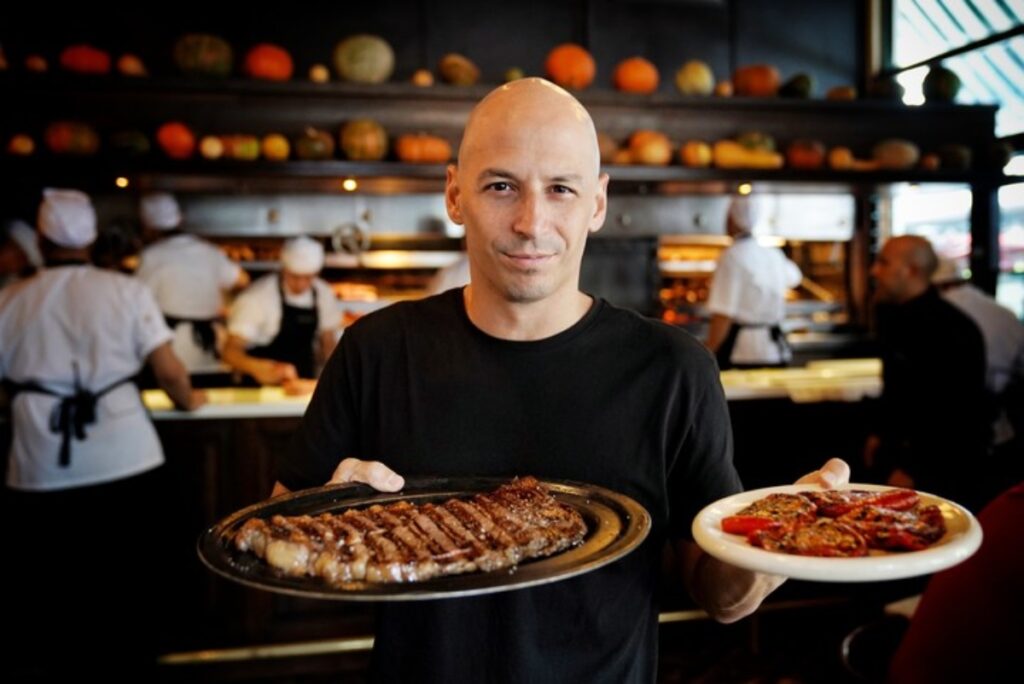
Argentina brings bold meat-forward cuisine to the table. Don Julio (10) is widely recognized for its exceptional steak and wine experience, while Aramburu (18) shines with avant-garde tasting menus that fuse science and flavor.

Don Julio (10) is widely recognized for its exceptional steak and wine experience
Don Julio (10) is widely recognized for its exceptional steak and wine experience / Photo via Martin Bonetto

Brazil’s presence is equally powerful, with four entries. From Lasai (28), known for its garden-to-table approach, to A Casa do Porco (83), a pork lover’s paradise in São Paulo, the country proves its culinary scene is as rich as its culture. Oteque (81) and Evvai (95) bring modern elegance and refined technique, surrounded by luxe amenities that make the dining experience unforgettable.

Ecuador, Chile, Colombia: Rising Stars

Ecuador’s Nuema (61) is making waves with its intimate, ingredient-driven menus that honor biodiversity and indigenous traditions. Chile’s Boragó (23) remains a pioneer in native ingredients and sustainability, while Colombia’s culinary scene is thriving thanks to El Chato (52), Celele (48), and Leo (76), where ancestral recipes meet contemporary design.

A Clear Trend: Experience, Sustainability, and Luxury

One notable trend is the rise of restaurants that offer more than just a meal—they provide experiential dining. Whether through immersive tasting journeys, visual storytelling, or sustainability-first concepts, the top Latin American restaurants in 2025 have embraced a holistic approach that blends flavor with environment, artistry, and wellness. 


Many establishments are integrated into boutique hotels or resorts, enhancing their offering with luxe amenities such as curated wine cellars, chef’s tables, botanical gardens, and private terraces overlooking scenic landscapes.


Latin America is no longer just a stop on the global food map—it’s a destination.

Key Information

RELATED POSTS

Receive the latest news

Subscribe To Our Magazine

Luster Magazine

Digital Magazine

Ingresa los siguientes datos y comienza a disfrutar de nuestra revista digital.