Art

101 Spring Street: Donald Judd’s Living Manifesto

Explore 101 Spring Street, Donald Judd’s cast-iron masterpiece in SoHo—its origins, industrial history, cultural legacy and vibrant life as a permanent, immersive art space.

Por: Angela Leon Cervera
101 Spring Street
Judd Foundation. Photo: @juddfoundation

The phrase 101 Spring Street once meant “old warehouse.” Today it fires the imagination like a struck tuning fork. Donald Judd saw promise in its rusted bones, bought the building in 1968, and turned five floors into a radical playground where art, architecture and ordinary life meld.


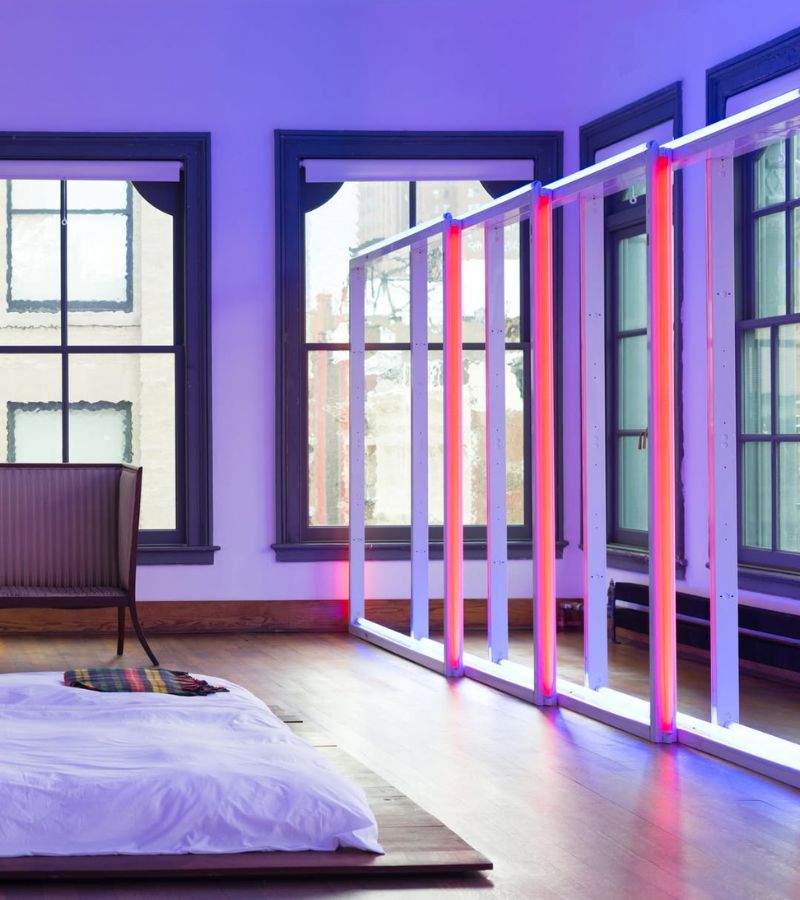
Walk through the door and you step inside a gesamtkunstwerk. Sunlight slices past cast-iron columns, Flavin’s neon glows upstairs, dinner is served beneath a Reinhardt black. The address isn’t merely preserved; it breathes—proof that space itself can be art.
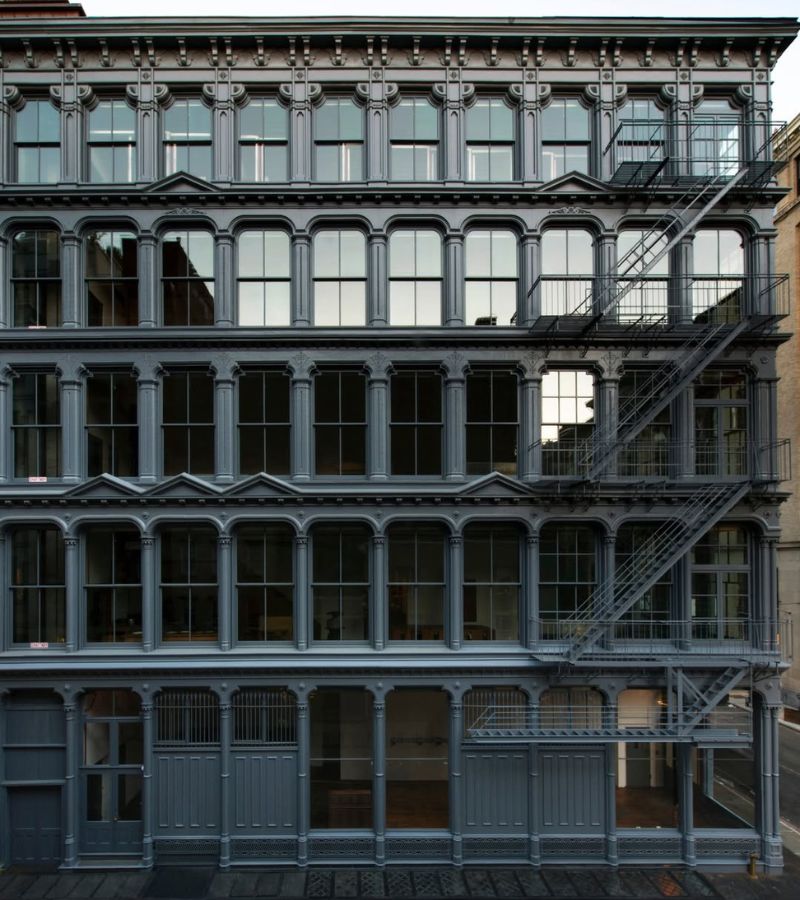
101 Spring Street
101 Spring Street. Photo: @juddfoundation

How did 101 Spring Street launch Judd’s vision of “real space”?

  • A bargain-priced ruin: Judd paid roughly $68,000 for the former hardware factory—less than the new boiler.

  • Minimalist motives: He needed room for “specific objects” that rejected illusion and demanded honest context.

  • Permanent intent: Each artwork found a forever spot, abolishing the white-cube shuffle of temporary shows.

  • Community crusade: By fighting SoHo rezoning, Judd helped legalize loft living for hundreds of artists.

Result? The first full-scale “permanent installation” where every chair, plank and steel box speaks the same clear language.

101 Spring Street
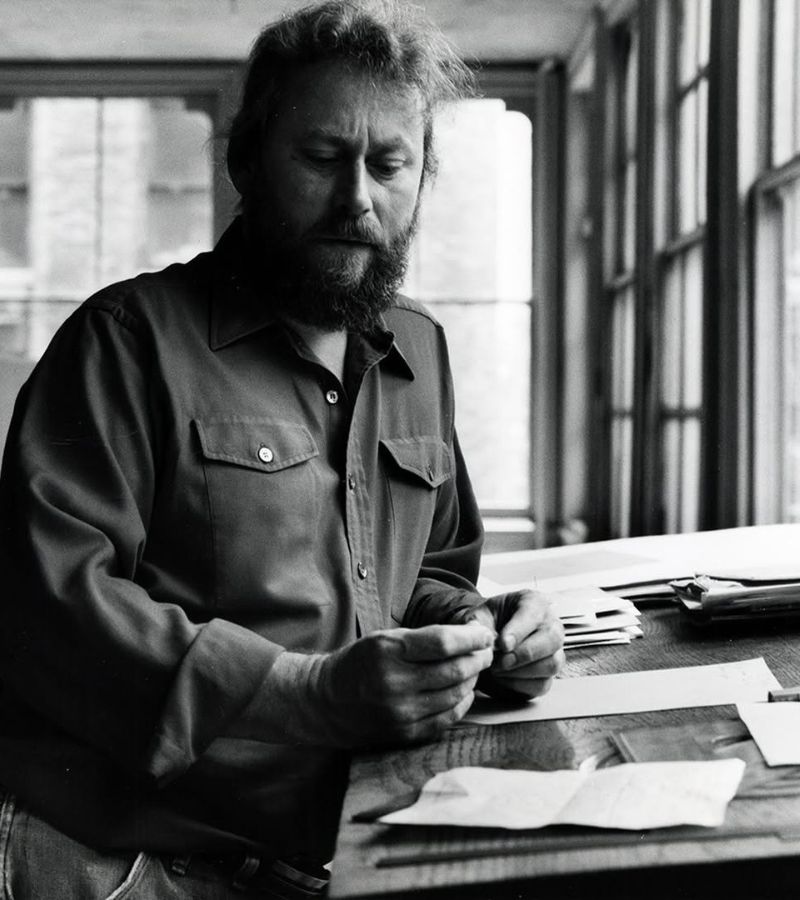
Donald Judd. Photo: @juddfoundation
101 Spring Street
Dan Flavin's instalation on the fifth floor of 101 Spring Street in 1970. Photo: @juddfoundation

What story does the cast-iron shell of 101 Spring Street tell?

Nicholas Whyte’s 1870 façade reads like early modern poetry: more glass than girder, elegantly thin, defiantly industrial. Cast iron let builders bolt ornament together at factory speed, flooding interiors with daylight—a gift to 19-century textile workers and, a century later, to artists craving giant skylights.


The building survived SoHo’s “Hell’s Hundred Acres” slump intact, making it the neighborhood’s last single-use cast-iron warehouse. Its honest muscularity mirrored Judd’s own ethos: let materials declare themselves and let form follow calm logic.

Why does 101 Spring Street still matter in today’s luxury-laden SoHo?

  • Living archive: Over 200 works by Judd, Duchamp, Stella and friends remain exactly where the artist placed them.

  • Architectural lesson: Restoration (2010-2013) inserted hidden sprinklers, climate controls and an ADA-ready lift without marring a nail.

  • Cultural beacon: The Judd Foundation now leads small tours, protecting intimacy while educating new generations.

  • Urban anchor: Amid boutiques, the building stands as a stubborn reminder that SoHo’s soul began with risk-taking creators, not retail leases.

101 Spring Street
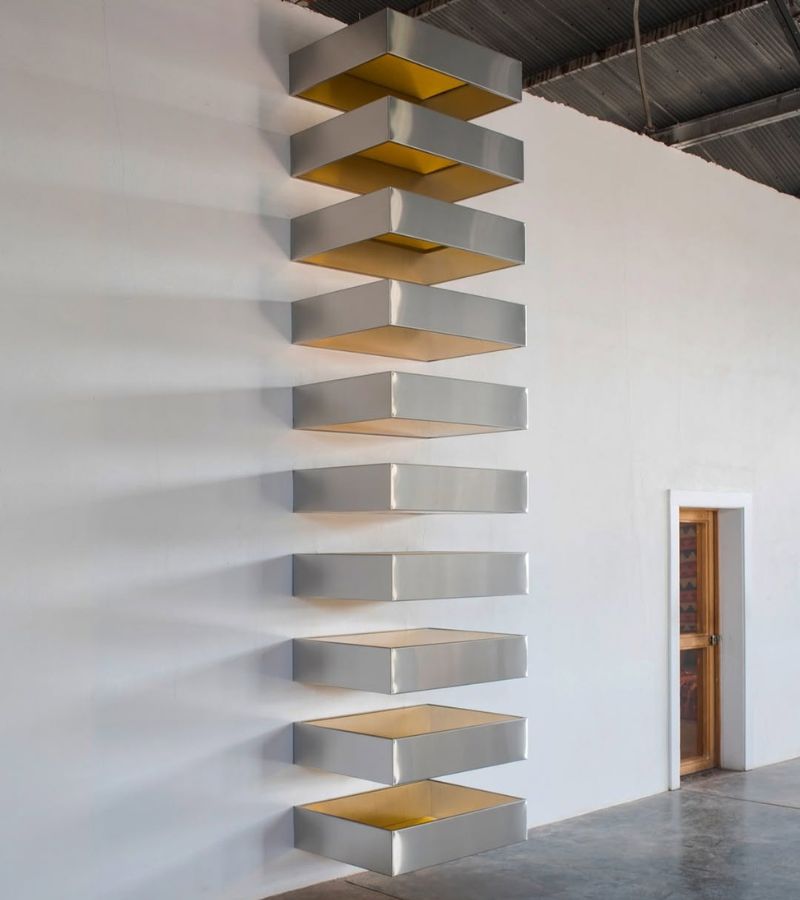
Donald Judd. Untitled Work (1968). Photo: @juddfoundation

101 Spring Street is more than a steel-rimmed postcard from the 1970s. It is a living proof that art can colonize architecture, daily rituals can become sculpture, and preservation can serve progress without erasing character.


In Judd’s words, “Everything was meant to be permanent.” Fifty-plus years on, his manifesto still rings—bright, uncompromising, gloriously real.

FAQ

Receive the latest news

Subscribe To Our Magazine

Luster Magazine

Digital Magazine

Ingresa los siguientes datos y comienza a disfrutar de nuestra revista digital.