Design

Humantouch Berlin Fashion Week: Paint-Sewn Activism

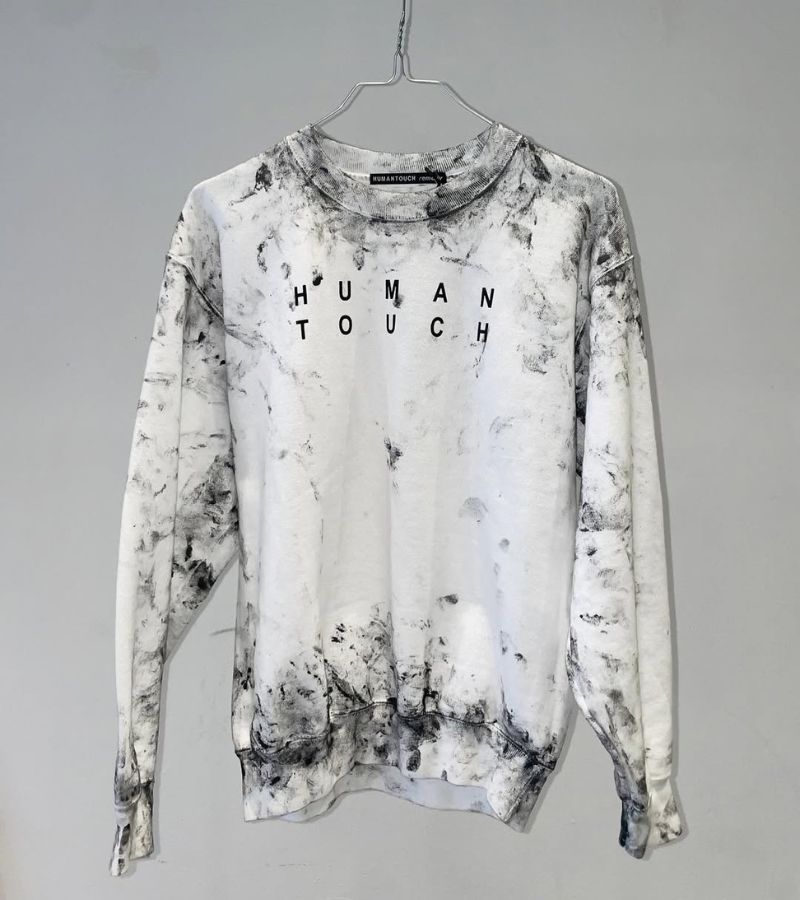
Humantouch Berlin Fashion Week turns fingerprints into fashion, confronting invisible labour through radical paint-sewing and live studio performance.

Por: Angela Leon Cervera
Humantouch Berlin Fashion Week
Human Touch

Berlin Fashion Week crackles with DJs, drones and neon. Then Humantouch arrives—quiet, steady, sewing fingerprints onto cotton. From the first stitch, Humantouch Berlin Fashion Week rewrites the runway, making human touch visible and unforgettable.


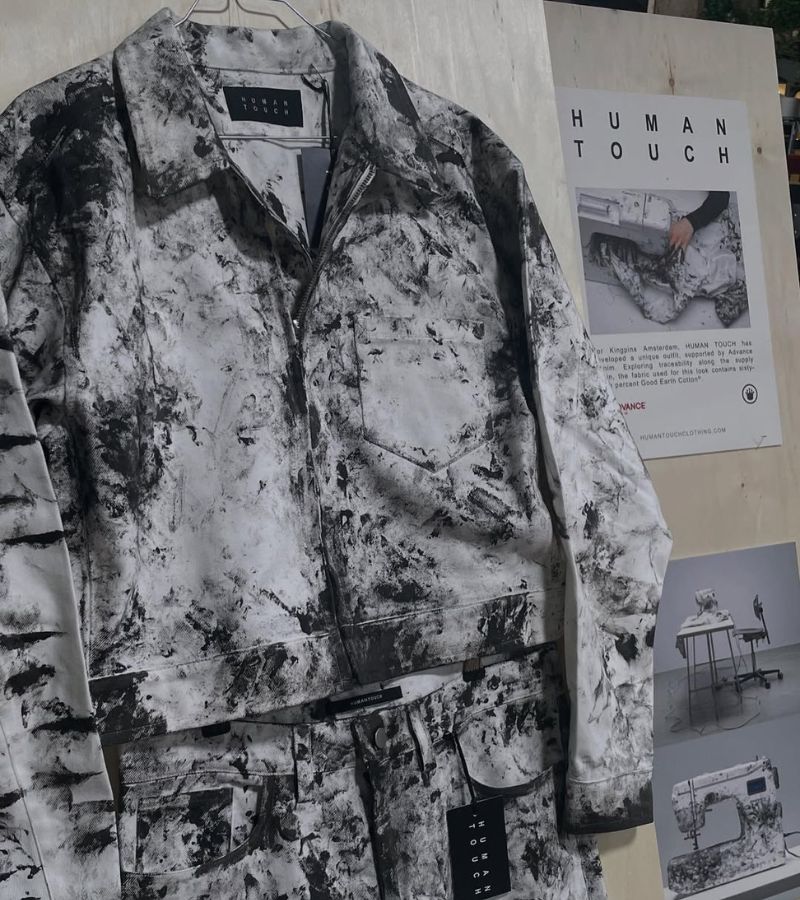
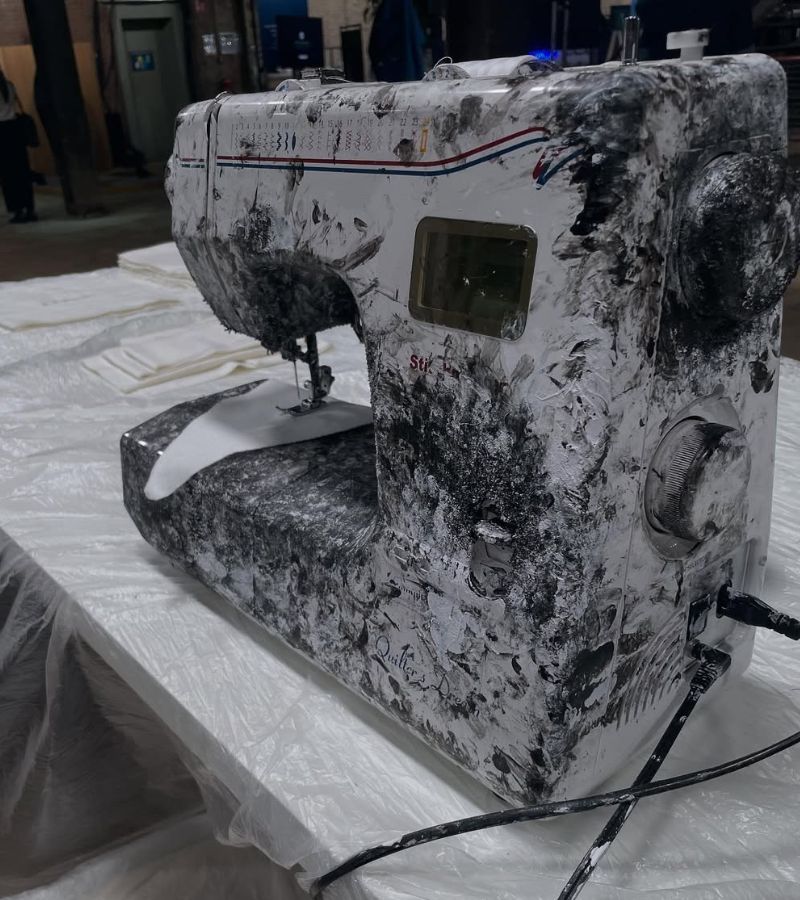
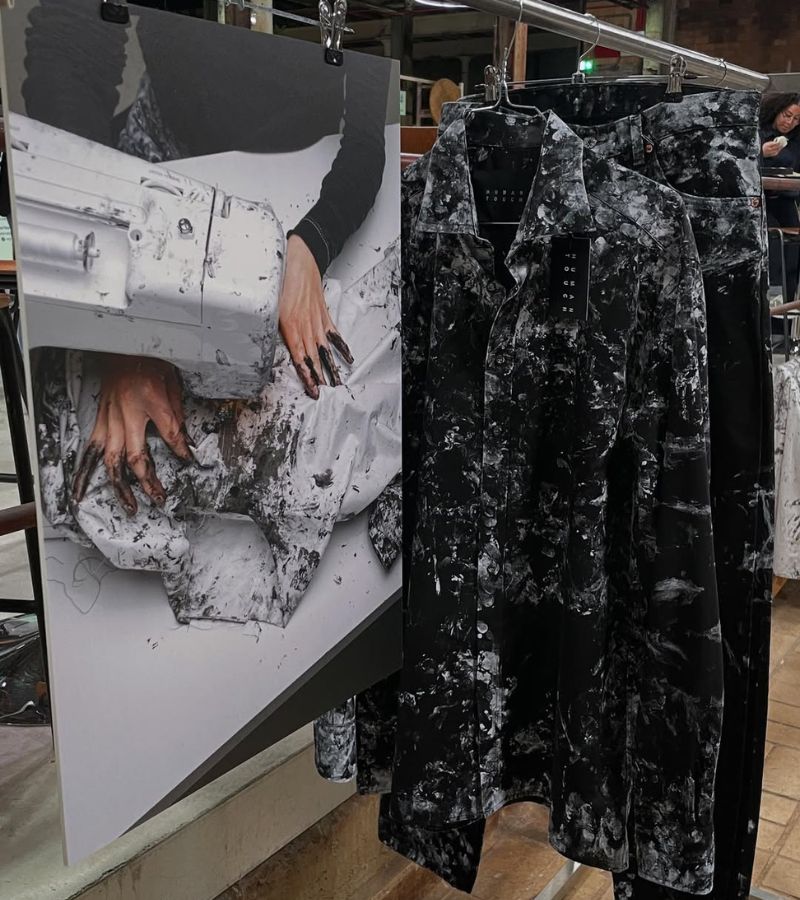
Founded by tailor-researcher Juliet Seger and stylist Christina Albrecht, the studio treats every garment as an ethical manifesto. Their signature paint-sewing records the machinist’s fingertips in real time, transforming shirts and jeans into social documents.
Humantouch Berlin Fashion Week
Human Touch

How Does Humantouch Berlin Fashion Week Spotlight Invisible Labour?

Humantouch’s process is simple to describe yet mesmerizing to watch:


  • The machinist dips fingertips in water-based textile paint every 15–20 stitches.

  • Wet prints travel across fabric, mapping effort in dense constellations where handling is toughest.

  • Finished pieces are heat-set, remaining fully washable and durable.

During BFW the team swaps catwalks for live sewing installations. Visitors gather inches from the needle, hearing the hum, smelling acrylic, and feeling the moral weight of each mark. The spectacle reverses the usual fashion hierarchy: the operator, not the model, claims centre stage.

Humantouch Berlin Fashion Week
Human Touch
Humantouch Berlin Fashion Week
Human Touch

Why Is Paint-Sewn Fashion a Radical Response to New Sustainability Rules?

Berlin recently adopted Copenhagen Fashion Week’s rigorous sustainability requirements—50 % certified materials, no stock destruction, full traceability, mandatory by February 2026.


Humantouch already checks those boxes and adds extras:


  1. Made-to-order production eliminates unsold stock.

  2. Upcycled “remedy” line rescues vintage garments from landfill.

  3. On-site manufacturing keeps supply chains transparent and hyper-local.

In an era when many brands struggle to meet basic compliance, Humantouch offers BFW a living case study—and free publicity via their viral TikTok clips of swirling black fingerprints.

Can a Boutique Studio Scale Without Losing Its Soul?

Growth is complicated. Outsourcing would wreck the very machines whose cleanliness factories guard. So Seger and Albrecht keep operations inside their Kreuzberg workshop:


  • Small-batch originals: handcrafted pieces priced as wearable art.

  • Performance bookings: museums and fairs pay for on-site sewing shows.

  • Consulting and talks: academic roots convert easily into paid lectures.

This multifaceted model monetises concept rather than volume, proving “anti-growth” can still be financially viable when narrative value is high.

Humantouch Berlin Fashion Week
Human Touch

Humantouch doesn’t sell clothes; it sells proof of life. Each fingerprint whispers: “Someone’s hands made me.” In a fashion week racing toward responsibility, the brand’s small studio casts a giant shadow, reminding industry leaders that ethics can be stitched, not just preached. Watch this space—the next revolution may begin at the fingertips.

Threads of Curiosity: FAQ

Receive the latest news

Subscribe To Our Magazine

Luster Magazine

Digital Magazine

Ingresa los siguientes datos y comienza a disfrutar de nuestra revista digital.