Active

Nadal’s Noble Serve: How a Tennis Legend Became a Marquess

The King of Clay is now the Marquess of Llevant de Mallorca, a noble distinction tied to the eastern region of Mallorca, the island where Nadal was born and raised.

Por: Rubén Carrillo
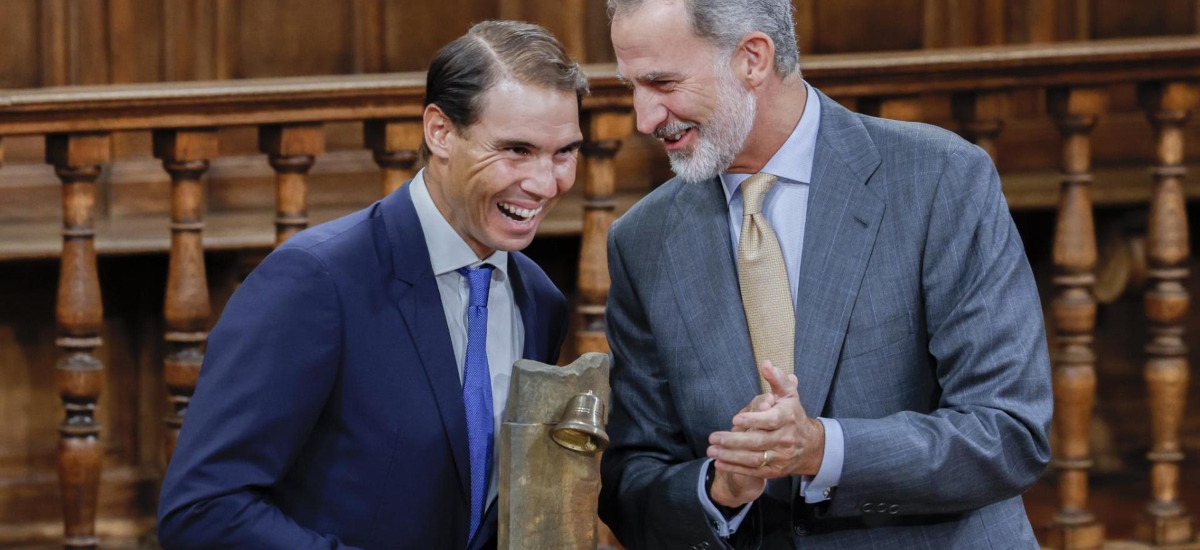
This prestigious recognition aligns him with Spain's noble lineage, although the significance of such a title today differs greatly from its medieval roots. / Photo El Pais

On the tenth anniversary of his reign, King Felipe VI honored several notable figures with noble titles. 


Among the recipients was tennis legend Rafael Nadal, who has now become the Marquess of Llevant de Mallorca


This prestigious recognition aligns him with Spain’s noble lineage, although the significance of such a title today differs greatly from its medieval roots.


Alongside Nadal, singer Luz Casal was named Marchioness of Luz y Paz, symbolizing the monarchy’s acknowledgment of cultural and athletic excellence. 


These appointments are not merely ceremonial; they come with a formal registration process and certain legal procedures that future nobles must complete.
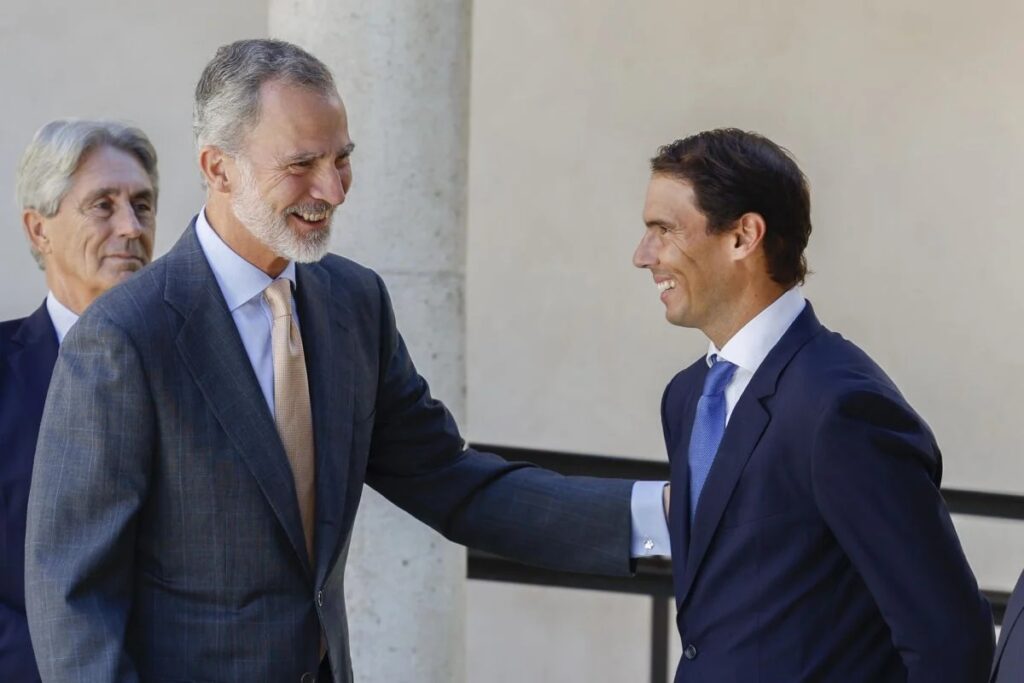
On the tenth anniversary of his reign, King Felipe VI honored several notable figures with noble titles. / Photo Cronica Balear

Where Is the Marquisate and What Does It Represent?

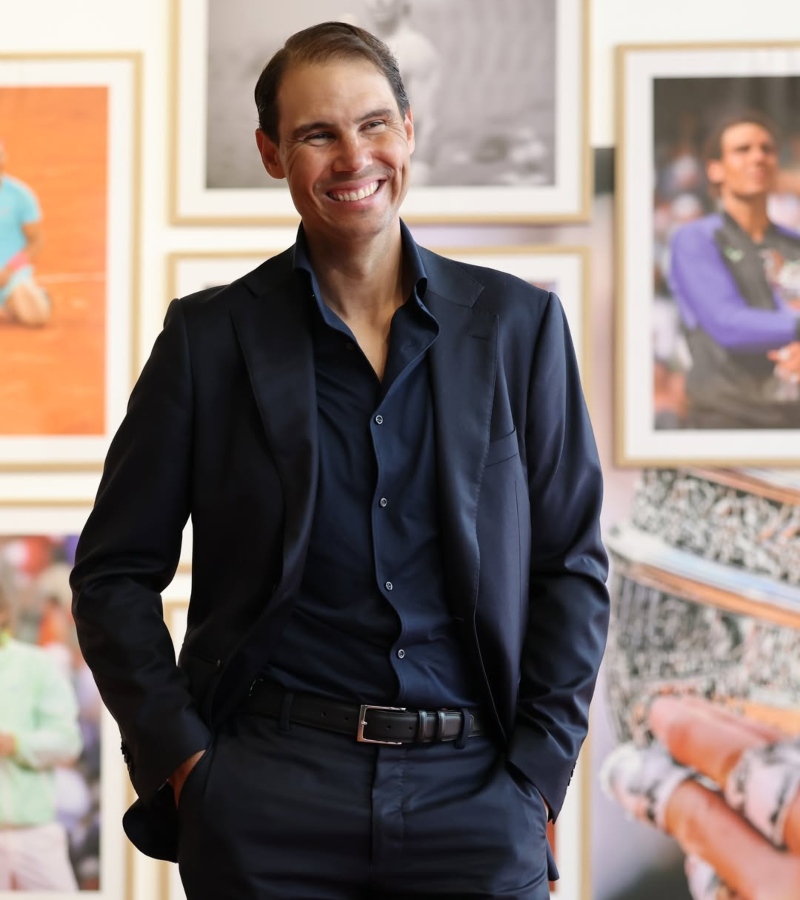
The Marquisate of Llevant de Mallorca refers to a noble distinction tied to the eastern region of Mallorca, the island where Nadal was born and raised. 


The name “Llevant” (meaning “east” in Catalan) honors Nadal’s deep connection to his homeland, reinforcing the symbolic nature of the title.


Modern marquisates do not bestow land or direct authority over territories. Instead, they represent acknowledgment of personal merit, service to the country, or cultural significance.


In Nadal’s case, his outstanding sportsmanship, humility, and global influence were likely key factors behind the King’s decision.

The Marquisate of Llevant de Mallorca refers to a noble distinction tied to the eastern region of Mallorca, the island where Nadal was born and raised. / Photo Marie Claire

What Does a Noble Title Entail Today?

In contrast to past centuries, holding a noble title in Spain today is mainly honorific. Some symbolic privileges remain:


  • Public Recognition: A noble title signals a life of accomplishment, endorsed by royal authority.

  • Cultural Invitations: Nobles might receive invitations to cultural or royal events, although this depends more on the individual than the title itself.

  • Formal Usage: Titles can appear on formal documents, cards, or during public introductions.

  • Hereditary Transfer: Most titles, including Nadal’s, can be passed on to descendants, unless the monarch states otherwise.

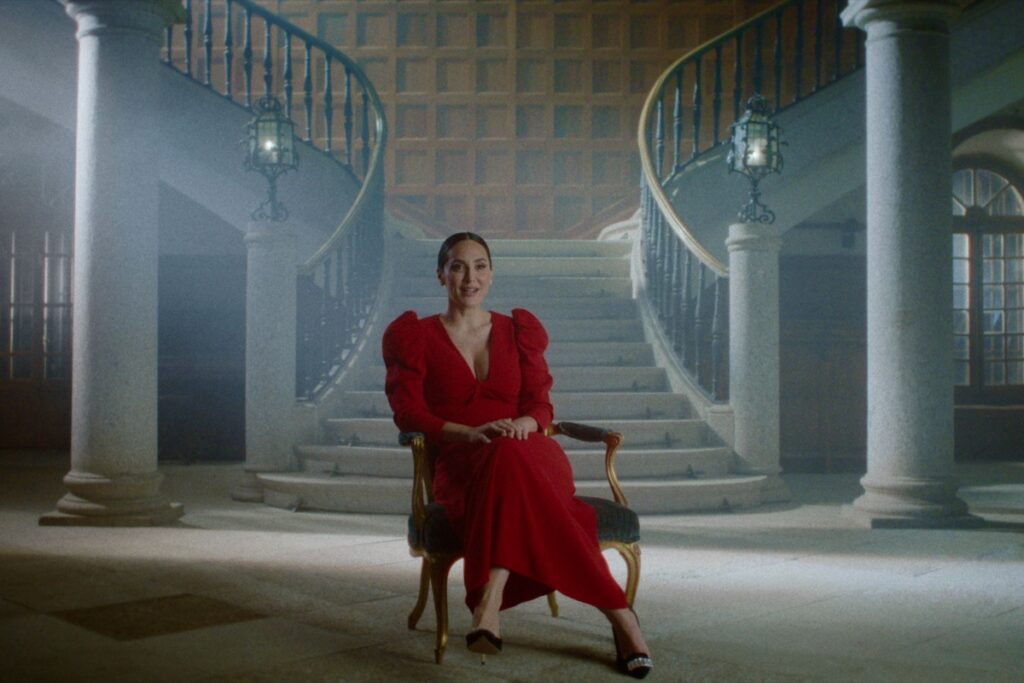
This places Nadal in the company of other Spanish nobles like Tamara Falcó, who inherited the Marquisate of Griñón after her father’s death. 


Her title dates back to 1862 and carries “Grandeza de España,” the highest noble distinction in the country.

This places Nadal in the company of other Spanish nobles like Tamara Falcó, who inherited the Marquisate of Griñón after her father’s death / Photo Netflix

A New Face of Nobility

The King’s recent decision to award titles to figures like Rafael Nadal, Luz Casal, and scientist Carlos López Otín reveals a contemporary perspective. 


Nobility is no longer seen as an inherited privilege but as a reflection of personal excellence, hard work, and societal contribution.


Rather than crowns and castles, modern nobles are icons of integrity, perseverance, and innovation. 


The Costs of Becoming a Marquess

While bearing a noble title no longer guarantees land or influence, there are still fees involved in securing such an honor. 


According to the Spanish Ministry of Justice, anyone receiving or inheriting a title must pay a basic administrative fee of €91.42. 


This charge is outlined in the legal framework established by Order JUS/1460/2023, and it’s required to register the title in the official noble registry.


Additionally, there’s a cost for publishing the title in Spain’s official government bulletin (Boletín Oficial del Estado, or BOE), which ranges between €90 and €150, depending on the announcement’s length.


Although optional, legal fees can range from €1,000 to €3,000.


In Rafael Nadal’s case, as this is a direct royal concession, the process will likely be smoother, with fewer disputes and formal hurdles.

Questions and Answers

Receive the latest news

Subscribe To Our Magazine

Luster Magazine

Digital Magazine

Ingresa los siguientes datos y comienza a disfrutar de nuestra revista digital.